






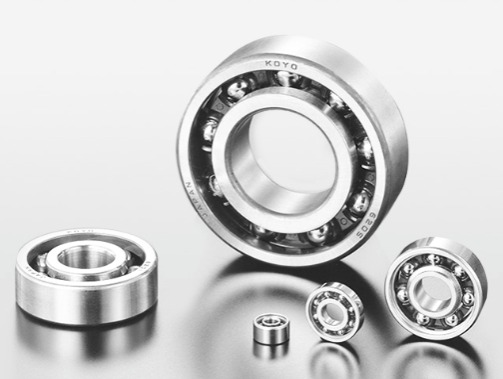
High-performance machinery operates under demanding conditions where precision, speed, and reliability are critical. Equipment such as CNC machines, industrial turbines, robotics systems, compressors, and high-speed electric motors all rely on advanced bearing technology to maintain smooth and efficient operation.
Selecting the correct ball bearings for high-performance machinery is essential for achieving optimal performance and minimizing downtime. Bearings must support heavy loads, operate at high speeds, withstand temperature variations, and maintain precise alignment during operation. If the wrong bearing type is selected, it can lead to excessive vibration, overheating, premature wear, and costly equipment failures.
This ultimate guide explains the key factors engineers and buyers should consider when choosing bearings for high-performance machinery. From load capacity and speed ratings to lubrication and material selection, understanding these factors will help ensure reliable long-term performance.
Why Bearing Selection Matters in High-Performance Machinery
Bearings are designed to reduce friction between moving parts while supporting loads and maintaining alignment. In high-performance systems, even small inefficiencies can significantly affect machine performance.
Poor bearing selection can lead to several problems:
- Increased friction and heat generation
- Excessive vibration and noise
- Reduced equipment accuracy
- Premature component failure
- Higher maintenance costs
Properly selected bearings for high-performance machinery improve reliability, increase efficiency, and extend the lifespan of both the bearing and the surrounding components.
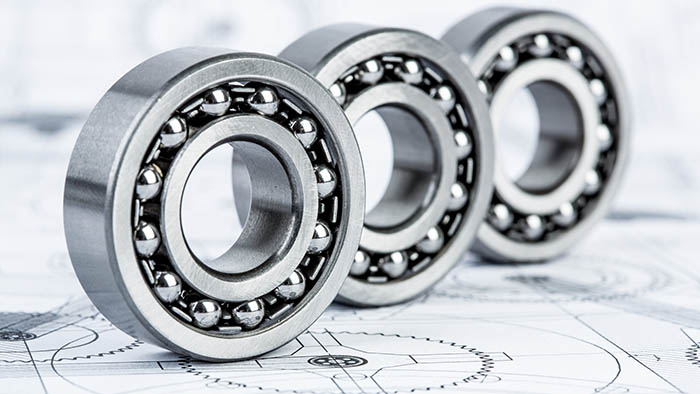
Understanding Different Bearing Types
Different applications require different bearing designs. Understanding the characteristics of each type helps determine the most suitable option for high-performance equipment.
Deep Groove Ball Bearings
Deep groove ball bearings are among the most widely used bearing types. They are capable of handling moderate radial and axial loads while maintaining low friction.
These bearings are commonly used in electric motors, pumps, fans, and high-speed industrial equipment.
Angular Contact Ball Bearings
Angular contact bearings are designed to handle combined radial and axial loads. Their internal geometry allows them to maintain stability at higher speeds compared to many other bearing types.
They are frequently used in machine tools, precision equipment, and turbine systems.
Cylindrical Roller Bearings
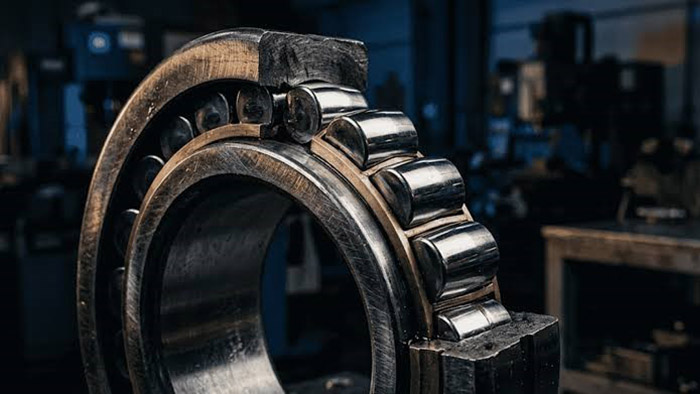
Cylindrical roller bearings support high radial loads and are often used in heavy-duty industrial machinery.
They provide excellent stiffness and are suitable for applications where axial movement of the shaft must be accommodated.
Spherical Roller Bearings
Spherical roller bearings are designed to handle heavy loads and misalignment. Their self-aligning design allows them to compensate for shaft deflection or mounting errors.
These bearings are commonly used in mining equipment, conveyors, and heavy industrial machinery.
Tapered Roller Bearings
Tapered roller bearings can support both radial and axial loads simultaneously. They are often used in automotive systems, gearboxes, and industrial drive systems.
For high-performance applications involving combined loads, tapered roller bearings can be an effective solution.
Load Requirements
Load capacity is one of the most important factors when selecting bearings for high-performance machinery. Bearings must be capable of supporting the forces generated during machine operation.
There are two primary load types:
Radial Load
Radial loads act perpendicular to the shaft. These loads are common in electric motors, pumps, and rotating shafts.
Axial Load
Axial loads act parallel to the shaft axis. These loads occur in applications such as screw drives, vertical shafts, and thrust systems.
In many high-performance systems, bearings must support both radial and axial loads simultaneously. Engineers must calculate these forces accurately to select a bearing with sufficient capacity.
Speed Capability
High-performance machinery often operates at very high rotational speeds. Bearings used in these environments must be designed to handle high RPM without excessive friction or heat buildup.
Important factors affecting speed capability include:
- Bearing design
- Internal clearance
- Lubrication type
- Cage material
- Precision grade
Ball bearings are typically preferred for high-speed applications because they generate less friction than roller bearings.
Selecting bearings designed specifically for high-speed operation ensures smoother performance and improved efficiency.
Precision and Tolerance
Precision is critical for machinery such as CNC machines, robotics systems, and aerospace equipment. High-precision bearings maintain accurate shaft positioning and minimize vibration.
Bearing precision is typically classified using tolerance standards. Higher precision grades offer:
- Better rotational accuracy
- Reduced vibration
- Improved surface finish in machining applications
When selecting bearings for high-performance machinery, engineers often choose precision bearings that meet strict tolerance requirements.
Lubrication Considerations
Lubrication is essential for reducing friction, controlling temperature, and preventing wear between rolling elements and raceways.
Two primary lubrication methods are used in high-performance bearings:
Grease Lubrication
Grease is commonly used because it requires minimal maintenance and provides effective sealing against contamination.
Oil Lubrication
Oil lubrication is often used in high-speed or high-temperature applications where grease may not provide sufficient cooling.
Proper lubrication significantly extends bearing lifespan and improves overall system efficiency.
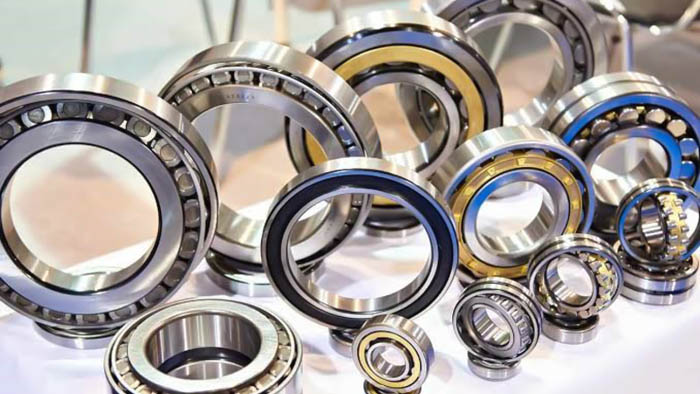
Bearing Materials
The materials used in bearing construction play a major role in performance and durability.
Bearing Steel
Most industrial bearings are made from high-quality chrome steel, which provides excellent strength and fatigue resistance.
Ceramic Materials
Hybrid bearings combine steel rings with ceramic rolling elements. Ceramic balls are lighter and harder than steel, allowing higher speed operation and reduced friction.
Stainless Steel
Stainless steel bearings are used in environments where corrosion resistance is required, such as food processing or marine equipment.
Selecting the right material is an important step when choosing bearings for high-performance machinery.
Environmental Conditions
Operating conditions can significantly affect bearing performance. Engineers must consider environmental factors such as:
- Dust and contamination
- Moisture and corrosion
- High temperatures
- Chemical exposure
- Shock loads and vibration
In harsh environments, sealed bearings or specialized coatings may be required to protect the internal components.
Sealing and Contamination Protection
Contamination is one of the leading causes of bearing failure. Proper sealing prevents dirt, debris, and moisture from entering the bearing.
Common sealing options include:
- Metal shields
- Rubber seals
- Contact seals
- Non-contact seals
Choosing the correct sealing system improves bearing reliability and extends service life.
Maintenance and Monitoring
Even the best bearings for high-performance machinery require regular monitoring to ensure optimal performance.
Maintenance practices often include:
- Temperature monitoring
- Vibration analysis
- Lubrication inspection
- Periodic replacement schedules
Condition monitoring systems can detect early signs of bearing wear and prevent unexpected failures.
Choosing the Right Bearing Manufacturer
Selecting the correct bearing brand is also important. Leading manufacturers invest heavily in research, manufacturing quality, and testing.
Some well-known bearing manufacturers include:
- SKF
- Timken
- NSK
- NTN
- FAG
- KOYO
Working with reputable manufacturers ensures consistent quality and reliable performance.
Alma Bearings provides high-quality products from leading manufacturers and can help you choose the best bearings for high-performance machinery based on your application requirements.
Common Mistakes in Bearing Selection
Even experienced engineers can make mistakes when selecting bearings. Some common errors include:
- Choosing a bearing with insufficient load capacity
- Ignoring lubrication requirements
- Overlooking environmental conditions
- Selecting incorrect internal clearance
- Using low-quality or counterfeit bearings
Avoiding these mistakes can significantly improve machine reliability and reduce maintenance costs.
Conclusion
Selecting the right bearings for high-performance machinery is essential for ensuring efficiency, reliability, and long service life. Engineers must evaluate several factors, including load capacity, speed capability, precision requirements, lubrication methods, and operating environment.
Different bearing types offer unique advantages depending on the application. By carefully analyzing system requirements and choosing products from reputable manufacturers, businesses can significantly improve equipment performance and reduce operational costs.
Proper bearing selection is not just a technical decision—it is a key factor in maintaining reliable and efficient industrial operations.
Looking for durable bearings for your equipment? Alma Bearings supplies genuine products designed for demanding industrial applications.
Frequently Asked Questions
1. What are the best bearings for high-performance machinery?
Angular contact ball bearings, cylindrical roller bearings, and hybrid ceramic bearings are often used in high-performance applications due to their speed capability and precision.
2. Why is lubrication important for high-performance bearings?
Lubrication reduces friction, prevents wear, controls temperature, and significantly extends bearing lifespan.
3. How do I choose the right bearing type?
Consider load requirements, speed ratings, operating environment, and precision requirements when selecting bearings.
4. Are ceramic bearings better for high-speed machines?
Hybrid ceramic bearings often perform better in high-speed applications because ceramic balls are lighter and generate less friction.
Post a comment