



This article is for informational purposes only and is not a substitute for professional medical advice.
Understanding Baby Food Poisoning
As a parent, the safety of your child is paramount, especially when it comes to the food they consume. Recent allegations regarding baby food poisoning have raised concerns among many caregivers. But what does this mean for your little one, and how can you ensure their safety? Understanding the pathophysiology behind food poisoning can help you grasp the potential risks involved.
What Are the Risks?
Food poisoning can occur when babies consume contaminated food. Common pathogens include bacteria like Salmonella, E. coli, and Listeria. These microorganisms can lead to serious health issues, especially in infants whose immune systems are still developing. For example, Salmonella can cause severe gastrointestinal distress, while Listeria poses a significant risk during pregnancy and infancy, potentially leading to meningitis or sepsis.
The pathophysiology of food poisoning involves the ingestion of pathogens or their toxins, which can disrupt normal gastrointestinal function. For instance, E. coli produces a toxin that can damage the lining of the intestines, leading to bloody diarrhea and abdominal cramps. In infants, who have a lower body mass and less developed immune systems, these effects can be particularly severe, sometimes resulting in dehydration or even hospitalization.
Recent Concerns
In recent months, several brands of baby food have faced scrutiny due to allegations of contamination. For instance, a report by the CDC highlighted potential risks associated with certain products, prompting recalls and heightened awareness among parents. This has left many wondering how to navigate the baby food aisle safely. The mechanisms behind these contaminations often involve improper handling or storage during production, which can allow harmful bacteria to proliferate.
Moreover, cross-contamination can occur during the manufacturing process, where raw ingredients may come into contact with harmful pathogens. It’s crucial to understand that even seemingly safe products can pose risks if not handled properly.
Symptoms of Food Poisoning in Babies
Recognizing the symptoms of food poisoning in babies can be challenging, as they may not be able to articulate their discomfort. Key symptoms to watch for include:
- Vomiting
- Diarrhea
- Fever
- Abdominal pain
- Dehydration (not producing tears, dry mouth, or decreased urination)
In severe cases, food poisoning can lead to complications such as kidney failure or prolonged hospitalization. It’s vital for parents to monitor their baby closely and seek medical attention if symptoms worsen or persist. Remember, some symptoms may appear mild initially but can escalate quickly, particularly in infants.
What Should You Do If You Suspect Food Poisoning?
If you suspect your baby has food poisoning, consult a pediatrician immediately. They may recommend monitoring hydration levels and, in some cases, provide treatment options. This could include rehydration solutions or, in more severe cases, hospitalization for intravenous fluids. Remember, early intervention is key to preventing complications.
How to Ensure Baby Food Safety
To minimize the risk of food poisoning, consider the following safety tips:
Choose Reputable Brands
Opt for baby food brands that prioritize safety and quality. Look for those that conduct regular testing and have transparent ingredient lists. Brands that are certified organic often have stricter standards for pesticide use and contamination. Additionally, consider brands that have received third-party certifications for safety and quality assurance.
Check for Recalls
Stay informed about product recalls. Websites like the FDA provide up-to-date information on recalled baby food products. Set a reminder to check these resources regularly, especially after purchasing new products. You can also sign up for alerts from consumer safety organizations to stay ahead of potential risks.
Read Labels Carefully
Examine ingredient labels for potential allergens and harmful additives. Avoid products containing artificial preservatives or excessive sugar. For example, some baby foods may contain added sugars or high-fructose corn syrup, which are not ideal for your baby’s developing digestive system. Additionally, look for labels that specify the absence of common allergens if your family has a history of food allergies.
Practice Safe Feeding
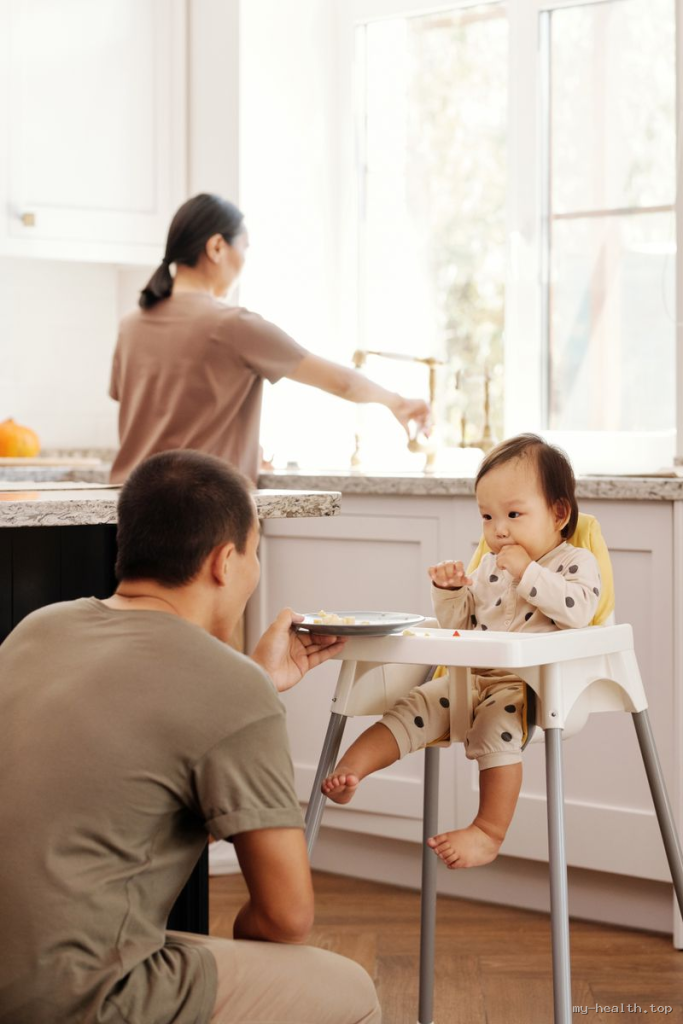
When preparing baby food at home, ensure that all utensils and surfaces are clean. Cook foods thoroughly and store leftovers properly to prevent bacterial growth. Here’s a step-by-step guide for safe homemade baby food preparation:
- Wash hands: Always wash your hands thoroughly before handling food.
- Clean surfaces: Disinfect countertops and utensils with hot, soapy water.
- Cook thoroughly: Ensure that all foods are cooked to the appropriate temperature to kill harmful bacteria.
- Cool and store: Cool leftovers quickly and store them in airtight containers in the refrigerator. Use them within a few days to minimize risk.
Remember, safe feeding practices extend beyond just preparation. Always supervise your baby while eating to prevent choking and ensure they are consuming food that is appropriate for their age and developmental stage.
Myths vs. Facts
Myth: All Baby Food is Safe
While many baby foods are safe, not all are created equal. Always research brands and stay informed about recalls. Just because a product is on the shelf does not guarantee its safety. In fact, some products may contain harmful levels of heavy metals or other contaminants, as highlighted in various studies.
Fact: Homemade Baby Food Can Also Be Contaminated
Homemade baby food can pose risks if not prepared or stored correctly. Always use fresh ingredients and practice good hygiene. Remember, just because you made it at home doesn’t mean it’s automatically safer. Contamination can occur at any stage, from food preparation to storage.
Real-Life Example
Consider the story of Sarah, a first-time mom. She bought a popular brand of baby food for her 8-month-old daughter. After noticing her baby was unusually fussy and developed diarrhea, Sarah contacted her pediatrician. After a thorough check, it was revealed that the baby food was part of a recent recall due to contamination. Thankfully, with prompt medical attention, her daughter recovered quickly. This experience underscores the importance of vigilance when it comes to baby food safety.
Frequently Asked Questions
1. How can I tell if baby food is safe?
Check for recalls, read labels, and choose reputable brands. Always inspect the packaging for damage or signs of tampering before purchase. If in doubt, it’s better to err on the side of caution.
2. What should I do if my baby shows symptoms of food poisoning?
Consult your pediatrician immediately. They can provide guidance on treatment and monitoring your baby’s health. Keep a record of symptoms to share with the doctor, as this can aid in diagnosis.
3. Are homemade baby foods safer than store-bought?
Homemade baby foods can be safe, but they also carry risks if not prepared properly. Always follow food safety guidelines. Additionally, ensure that you’re using ingredients that are safe and appropriate for your baby’s age.
4. Can baby food cause long-term health issues?
While most babies recover from food poisoning without long-term effects, severe cases can lead to complications. Always seek medical advice if symptoms persist. Understanding the potential risks can help you make informed decisions.
5. What are the best practices for storing baby food?
Store opened baby food in the refrigerator and use it within a few days. Unopened jars can be stored in a cool, dry place. Always check expiration dates before feeding your baby.
6. Is it safe to use expired baby food?
Using expired baby food is not recommended, as it may pose health risks. Always check expiration dates before feeding your baby. If in doubt, throw it out!
7. Can I freeze homemade baby food?
Yes, you can freeze homemade baby food. Use airtight containers or freezer bags, and label them with the date. Most homemade baby foods can be stored in the freezer for up to three months.
8. What should I do if my baby refuses to eat certain baby foods?
It’s normal for babies to be picky eaters. Continue to offer a variety of foods and try different textures. Patience is key; it may take several exposures for your baby to accept a new food.
9. What are some signs that baby food is spoiled?
Signs of spoiled baby food can include an off smell, changes in color or texture, and the presence of mold. Always inspect the food before feeding it to your baby, and when in doubt, discard it.
10. Are there specific foods I should avoid giving my baby?
Yes, avoid honey (for infants under one year), unpasteurized foods, and foods that pose choking hazards, such as whole grapes or nuts. Always consult your pediatrician about introducing new foods to your baby’s diet.
Key Takeaways
- Always check for product recalls before purchasing baby food.
- Read labels carefully to avoid harmful ingredients.
- Practice safe food preparation and storage at home.
- Consult a pediatrician if you suspect food poisoning in your baby.
- Choose reputable brands that prioritize safety and quality.
References
- CDC – Food Safety for Infants
- FDA – Baby Food Recalls
- NHS – Food Poisoning Symptoms
- PubMed – Food Safety in Infants
- WHO – Food Safety and Nutrition
- UpToDate – Pediatric Food Poisoning
Post a comment