




This article is for informational purposes only and should not replace professional medical advice.
Understanding the Role of Nutrition in Flu Recovery
When battling the flu, your body craves nourishment to heal. But what exactly should you eat to support your recovery? Nutrition plays a crucial role in bolstering your immune system and alleviating symptoms. Let’s explore the best foods that can help you feel better faster.
Key Nutrients for Flu Recovery
During flu recovery, certain nutrients become essential. Vitamins such as C and D, along with minerals like zinc, help strengthen your immune response. Foods rich in these nutrients can make a significant difference in how quickly you bounce back.
Vitamin C: The Immune Booster
Vitamin C is known for its immune-boosting properties. Citrus fruits such as oranges, lemons, and grapefruits are excellent sources. Incorporate these into your diet through fresh juices, smoothies, or simply by snacking on them. For example, a warm cup of lemon water can soothe a sore throat while providing hydration and vitamin C. Research indicates that adequate vitamin C intake can reduce the duration and severity of respiratory infections (Carr & Maggini, 2017).
Vitamin D: The Sunshine Vitamin
Vitamin D plays a vital role in immune function. Fatty fish like salmon and mackerel, as well as fortified foods like milk and cereals, can help meet your needs. If you’re not getting enough sunlight, consider discussing a supplement with your healthcare provider. Studies suggest that low levels of vitamin D may be linked to increased susceptibility to respiratory infections (Ginde et al., 2009). This is particularly important during winter months when sunlight exposure is limited.
Zinc: The Healing Mineral
Zinc is essential for immune health and can reduce the duration of flu symptoms. Foods rich in zinc include beans, nuts, whole grains, and dairy products. A comforting bowl of lentil soup can be both nourishing and satisfying, providing a good dose of zinc. It’s important to note that while zinc supplementation can be beneficial, excessive intake can lead to adverse effects, so moderation is key (Prasad, 2008). Aim for a balanced diet to naturally obtain this mineral.
Hydration: The Unsung Hero
Staying hydrated is crucial during flu recovery. Fever can lead to dehydration, so drinking plenty of fluids is essential. Water, herbal teas, and broths are excellent choices. Consider sipping on ginger tea, which can help soothe nausea while providing warmth and hydration. Additionally, electrolyte-rich drinks can be beneficial if you are experiencing significant fluid loss due to fever or sweating. Remember, hydration supports every cellular function in your body, including immune responses.
Comfort Foods to Consider
When you’re feeling under the weather, comfort foods can be both soothing and nutritious:
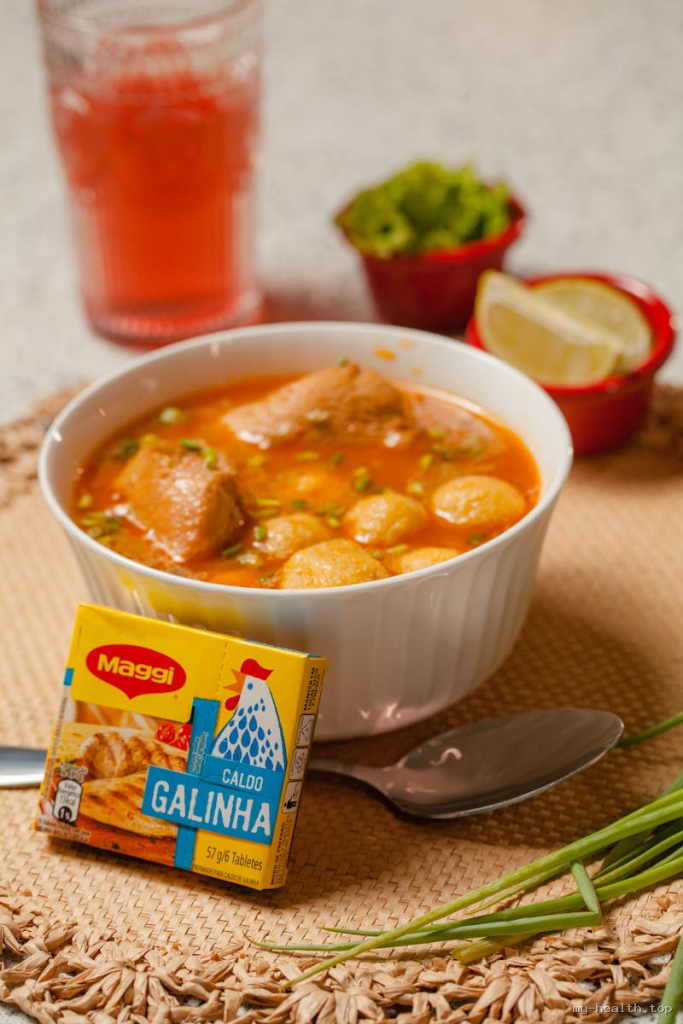
- Chicken Soup: A classic remedy, chicken soup is not only comforting but also helps keep you hydrated. The warm broth can relieve congestion, while the protein from chicken aids in recovery. Studies have shown that chicken soup may have anti-inflammatory properties, which can help alleviate symptoms (Rogers et al., 2000). Adding vegetables like carrots and celery can enhance its nutrient profile.
- Oatmeal: Warm, soft, and easy to digest, oatmeal is a great breakfast option. Top it with honey and berries for added nutrients and flavor. Oatmeal is also rich in beta-glucans, which may enhance immune response (Gorham et al., 2015). This makes it not only comforting but also a functional food during recovery.
- Bananas: Gentle on the stomach, bananas provide potassium and energy without overwhelming your digestive system. They are particularly helpful if you are experiencing gastrointestinal symptoms. Their natural sweetness also makes them a pleasant snack.
- Yogurt: Probiotics in yogurt can support gut health, which is essential for a robust immune response. Choose plain yogurt and add fruits or honey for taste. Research indicates that probiotics can help reduce the incidence and duration of respiratory infections (Hao et al., 2015). Consider adding a sprinkle of nuts or seeds for additional texture and nutrients.
Foods to Avoid During Flu Recovery
While focusing on nourishing foods, it’s equally important to avoid certain items that can hinder your recovery:
- Sugary Foods: High sugar intake can suppress the immune system, making it harder for your body to fight off the flu. Foods high in sugar can lead to inflammation, which may prolong recovery. Instead, opt for natural sweeteners like honey or maple syrup in moderation.
- Processed Foods: Foods high in preservatives and additives can lead to inflammation and may not provide the nutrients your body needs. Opt for whole, unprocessed foods whenever possible. Cooking from scratch can ensure you know exactly what you’re consuming.
- Caffeinated Beverages: While a cup of coffee might seem comforting, caffeine can lead to dehydration, especially if consumed in excess. It’s wise to limit caffeine intake until you are fully recovered. Herbal teas can be a great alternative.
Patient Vignette
Consider Sarah, a 34-year-old teacher who recently battled the flu. After experiencing fatigue and body aches, she turned to her favorite chicken soup recipe, loaded with vegetables and herbs. Alongside her soup, she enjoyed herbal teas and fresh fruits. Within a few days, Sarah noticed a significant improvement in her energy levels and overall well-being. By focusing on nutrient-rich foods and staying hydrated, she was able to recover more quickly. This experience underscores the importance of nutrition in the healing process. It highlights how simple, wholesome foods can make a substantial difference in recovery.
FAQs
What are the best foods to eat when recovering from the flu?
Foods rich in vitamins C and D, zinc, and hydration are ideal. Chicken soup, fruits like oranges and bananas, and yogurt with probiotics are excellent choices. Incorporating a variety of colors on your plate can also ensure a broader range of nutrients.
How important is hydration during flu recovery?
Hydration is crucial as it helps combat fever and prevents dehydration. Aim to drink plenty of water, herbal teas, and broths. Adding electrolyte-rich drinks can also be beneficial. Keep a water bottle nearby to remind yourself to sip regularly.
Are there any specific foods to avoid while recovering from the flu?
Avoid sugary and processed foods, as they can weaken your immune system. Caffeine should also be limited to prevent dehydration. Listen to your body and adjust your intake based on how you feel.
Can probiotics help with flu recovery?
Yes, probiotics found in yogurt and fermented foods can support gut health, which is vital for a strong immune response. Incorporating these foods can enhance your overall recovery. Consider trying kefir or sauerkraut as additional sources of probiotics.
Is it okay to eat dairy during flu recovery?
While some people may find dairy soothing, others may experience increased mucus production. Listen to your body and adjust accordingly. If you notice discomfort, consider alternatives like almond or coconut milk. Remember, everyone’s body reacts differently.
Myth vs. Fact
Myth:
You should avoid all dairy products when you have the flu.
Fact:
While some may find dairy increases mucus, others can tolerate it well. Focus on how your body reacts and choose what feels best for you. If dairy feels comforting, it may be beneficial in moderation.
Myth:
Eating sugar can help you recover faster.
Fact:
High sugar intake can suppress the immune system and prolong recovery time. It’s best to limit sugar and focus on nutrient-dense foods. Natural sugars from fruits can be a better option.
Final Thoughts
Recovering from the flu can be challenging, but the right nutrition can make a world of difference. Focus on nourishing foods, stay hydrated, and listen to your body’s needs. Remember, if your symptoms persist or worsen, consult a healthcare professional for personalized advice. Your journey to recovery is unique, and with the right support, you can emerge stronger and healthier. Prioritize self-care and give your body the time it needs to heal.
Key Takeaways
- Nutrition is key in flu recovery; focus on immune-boosting foods.
- Hydration helps combat fever and prevents dehydration.
- Comfort foods like chicken soup can soothe symptoms and provide nourishment.
- Avoid sugary and processed foods that may weaken the immune system.
- Incorporate probiotics for gut health, which supports immunity.
- Listen to your body and adjust your diet based on how you feel.
References
- World Health Organization (WHO) – Nutrition and the Flu
- Centers for Disease Control and Prevention (CDC) – Flu Treatment
- PubMed – Role of Nutrition in Immune Function
- NHS – Flu: What to Eat and Drink
- UpToDate – Dietary Recommendations for Flu Recovery
- Harvard Health Publishing – Foods That Boost Your Immune System
- Mayo Clinic – Nutrition for Flu Recovery
- Journal of Nutrition – Nutritional Support in Viral Infections
- Carr, A. C., & Maggini, S. (2017). Vitamin C and immune function. Nutrients, 9(11), 1211.
- Ginde, A. A., et al. (2009). Vitamin D deficiency is associated with respiratory infection in the community. Clinical Infectious Diseases, 48(3), 277-283.
- Prasad, A. S. (2008). Zinc: role in immunity, oxidative stress, and chronic inflammation. Nutrition, 24(3), 246-250.
- Rogers, P. J., et al. (2000). Chicken soup and the common cold: a review of the literature. American Journal of Respiratory and Critical Care Medicine, 162(6), 2079-2083.
- Gorham, E. D., et al. (2015). Oat beta-glucan and immune function: a review. Journal of Nutrition, 145(3), 455-460.
- Hao, Q., et al. (2015). Probiotics for the prevention of respiratory tract infections: a systematic review and meta-analysis. Journal of Clinical Gastroenterology, 49(1), 1-10.
Post a comment