






This article is for informational purposes only and is not a substitute for professional medical advice.
Introduction to Garlic: A Superfood
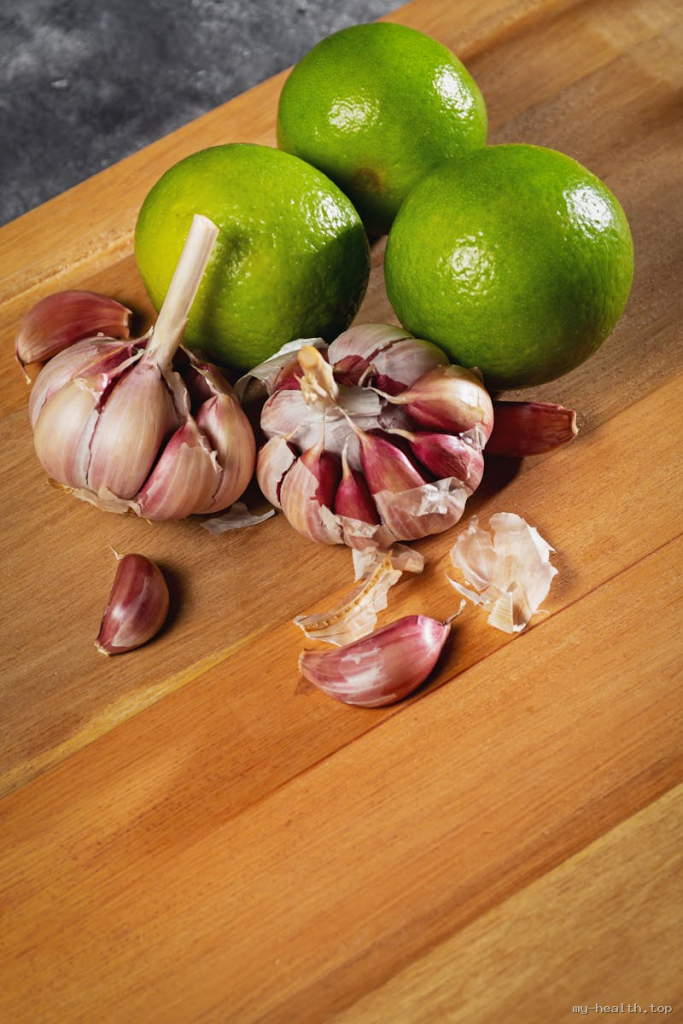
Garlic, scientifically known as Allium sativum, has been celebrated for centuries not just as a culinary ingredient but also for its impressive health benefits. From ancient civilizations to modern-day nutritionists, garlic has earned its place in the health spotlight. But what makes this humble bulb so special? Let’s delve into the myriad of health benefits garlic offers and how you can easily incorporate it into your daily diet.
Nutritional Profile of Garlic
Garlic is rich in vitamins and minerals, including vitamin C, vitamin B6, manganese, and selenium. However, its real power lies in its sulfur compounds, particularly allicin, which is released when garlic is crushed or chopped. This compound is primarily responsible for many of garlic’s health benefits. Allicin exhibits potent antimicrobial properties and acts as a powerful antioxidant, helping to neutralize harmful free radicals in the body.
Cardiovascular Health
One of the most well-documented benefits of garlic is its positive impact on heart health. Studies suggest that garlic can help lower blood pressure, reduce cholesterol levels, and improve overall heart function. According to a meta-analysis published in the Journal of Nutrition, garlic supplements can significantly reduce both systolic and diastolic blood pressure in individuals with hypertension. This effect is largely due to garlic’s ability to enhance nitric oxide production, which relaxes blood vessels and improves blood flow.
Pathophysiology of Garlic’s Effects on Heart Health
The mechanisms by which garlic exerts its cardiovascular benefits are multifaceted. Allicin not only promotes the production of nitric oxide but also helps in reducing oxidative stress and inflammation in the vascular system. Chronic inflammation and oxidative damage are known contributors to atherosclerosis, a condition characterized by the buildup of plaque in the arteries that can lead to heart attacks and strokes. By mitigating these factors, garlic can play a protective role in cardiovascular health.
Immune System Support
Garlic is renowned for its immune-boosting properties. Regular consumption of garlic has been linked to a reduced risk of colds and flu. A study published in the Journal of Nutrition found that participants who took garlic supplements experienced fewer colds and had a shorter duration of illness compared to those who did not. The mechanism behind this is thought to be garlic’s ability to stimulate the activity of immune cells, such as macrophages and lymphocytes, enhancing the body’s defense against pathogens.
Mechanisms of Immune Enhancement
Garlic’s immune-enhancing effects are attributed to its sulfur compounds, which can modulate the immune response. For instance, garlic may enhance the production of certain cytokines, signaling molecules that help regulate immunity. Additionally, garlic’s antioxidant properties help protect immune cells from oxidative damage, allowing them to function more effectively.
Anti-Inflammatory Effects
Chronic inflammation is a precursor to many diseases, including heart disease and cancer. Garlic contains antioxidants that help combat oxidative stress and inflammation. According to the Journal of Medicinal Food, garlic’s anti-inflammatory properties can help alleviate symptoms of inflammatory conditions such as arthritis. The sulfur compounds in garlic, particularly diallyl disulfide, have been shown to inhibit inflammatory pathways, providing a natural way to manage inflammation.
Clinical Implications of Garlic’s Anti-Inflammatory Properties
In clinical settings, garlic has been explored as a complementary therapy for various inflammatory diseases. For example, patients with osteoarthritis may benefit from garlic’s ability to reduce joint inflammation and pain. However, while garlic can be beneficial, it should not replace conventional treatments prescribed by healthcare professionals.
Digestive Health
Garlic can also promote digestive health by supporting the growth of beneficial gut bacteria. The prebiotic properties of garlic help nourish these good bacteria, which in turn, enhances gut health. A healthy gut is essential for nutrient absorption and overall health. Furthermore, garlic has been shown to possess antimicrobial properties that may help combat harmful bacteria in the gut, contributing to a balanced microbiome.
Practical Tips for Digestive Health
To harness garlic’s digestive benefits, consider incorporating it into meals that are rich in fiber, such as whole grains and vegetables. Additionally, pairing garlic with fermented foods like yogurt or kimchi can further enhance gut health by providing a diverse range of probiotics.
Potential Cancer-Fighting Properties
Research has indicated that garlic may play a role in cancer prevention. Its sulfur compounds may help inhibit the growth of cancer cells and reduce the risk of certain types of cancer, including stomach and colorectal cancers. A study in the American Journal of Clinical Nutrition found that higher garlic intake was associated with a lower risk of colorectal cancer. The mechanisms may involve garlic’s ability to enhance DNA repair, induce apoptosis (programmed cell death) in cancer cells, and reduce inflammation.
Understanding Cancer Mechanisms
Garlic’s anticancer effects are thought to stem from its ability to modulate various biological pathways. For instance, garlic compounds can activate detoxifying enzymes that help eliminate carcinogens from the body. Additionally, the anti-inflammatory properties of garlic may reduce the risk of cancer by limiting the chronic inflammation that can lead to tumor development.
How to Incorporate Garlic into Your Diet
Adding garlic to your meals is easy and delicious. Here are some simple ways to enjoy its benefits:
- Raw Garlic: Crushing or chopping raw garlic and adding it to salads or dressings maximizes its health benefits. For instance, a simple vinaigrette with minced garlic, olive oil, and vinegar can elevate any salad.
- Cooked Garlic: Sauté garlic in olive oil as a base for sauces and stir-fries. Cooking can mellow its flavor while still retaining some health benefits. Try adding it to roasted vegetables or pasta dishes for a flavor boost.
- Garlic Supplements: If you find it challenging to consume enough garlic, consider garlic supplements. However, consult your healthcare provider before starting any new supplement regimen, as dosages can vary.
Myth vs. Fact
Myth: Garlic can cure diseases.
Fact: While garlic has numerous health benefits, it should not be considered a cure for diseases. It is best used as a complementary approach to a balanced diet and healthy lifestyle.
Myth: Eating garlic will eliminate bad breath.
Fact: While garlic can have a strong aroma, it does not eliminate bad breath. In fact, it may contribute to it. Good oral hygiene is essential for fresh breath.
Patient Vignette
Meet Sarah, a 45-year-old teacher who struggled with frequent colds and low energy levels. After reading about the health benefits of garlic, she decided to incorporate it into her daily meals. She started adding minced garlic to her vegetable stir-fries and salads. Within a few weeks, Sarah noticed a significant improvement in her energy levels and a reduction in her cold frequency. She felt more vibrant and healthier, all thanks to this simple dietary change. Sarah’s experience highlights how a small adjustment in diet can lead to substantial health benefits.
Frequently Asked Questions
1. How much garlic should I eat daily for health benefits?
Most studies suggest that 1-2 cloves of garlic per day can provide health benefits. However, individual tolerance may vary. Start with small amounts and increase gradually.
2. Can garlic help with high cholesterol?
Yes, garlic has been shown to lower total and LDL cholesterol levels, which can improve heart health. Incorporating garlic into your diet, along with other heart-healthy foods, can be beneficial.
3. Is it better to eat garlic raw or cooked?
Raw garlic retains more allicin, the beneficial compound, but cooked garlic still offers health benefits. A combination of both is ideal to maximize the advantages.
4. Are there any side effects of consuming garlic?
While garlic is generally safe, some people may experience digestive issues or allergic reactions. It’s best to start with small amounts and monitor your body’s response.
5. Can garlic interact with medications?
Yes, garlic can interact with certain medications, especially blood thinners. Always consult your healthcare provider before making significant dietary changes, particularly if you are on medication.
6. Is garlic safe for everyone?
Garlic is safe for most people. However, those with certain health conditions, such as bleeding disorders or gastrointestinal issues, should consult a healthcare professional.
7. Can garlic help with weight loss?
While garlic is not a weight-loss miracle, its ability to enhance metabolism and reduce inflammation may support weight loss efforts when combined with a balanced diet and exercise.
8. Is garlic effective against viruses?
Some studies suggest that garlic may have antiviral properties, but more research is needed to confirm its effectiveness against specific viruses. It should not replace conventional treatments.
Key Takeaways
- Garlic supports heart health by lowering blood pressure and cholesterol.
- It boosts the immune system, reducing the risk of colds.
- Garlic has anti-inflammatory properties that may alleviate chronic conditions.
- Regular consumption may lower the risk of certain cancers.
- Incorporating garlic into meals is easy and delicious.
- Consult a healthcare provider before starting garlic supplements.
References
- PubMed: Garlic and Blood Pressure
- Journal of Nutrition: Garlic Supplements and Cold Prevention
- Journal of Medicinal Food: Garlic's Anti-Inflammatory Effects
- American Journal of Clinical Nutrition: Garlic and Cancer Risk
- World Health Organization: Benefits of Garlic
- Centers for Disease Control and Prevention: Nutrition and Health
- NHS: Garlic and Health Benefits
- UpToDate: Garlic in Diet and Health
Post a comment